We build a lot of tools that generate visuals automatically: social posts, thumbnails, video scenes. The thing nobody tells you when you start: the hard part isn't the generation. It's the design underneath the generation. A machine can only fill a template that was designed to be filled, and most templates aren't.
Designing for automation is a different discipline than designing a single beautiful artifact. It's the discipline of constraints.
Constraints Are the Product
When you design one poster, you make a thousand tiny decisions in context: nudging this, balancing that, trusting your eye. When you design a template a machine will fill ten thousand times, you can't be in the room for any of them. So every decision has to be encoded as a rule that holds up no matter what gets poured in.
That's the shift: you're not designing the output. You're designing the system of constraints that guarantees every output is acceptable. The work moves from "make this look good" to "make it impossible for this to look bad."
What Makes a Template Fillable
A few principles we've learned the hard way:
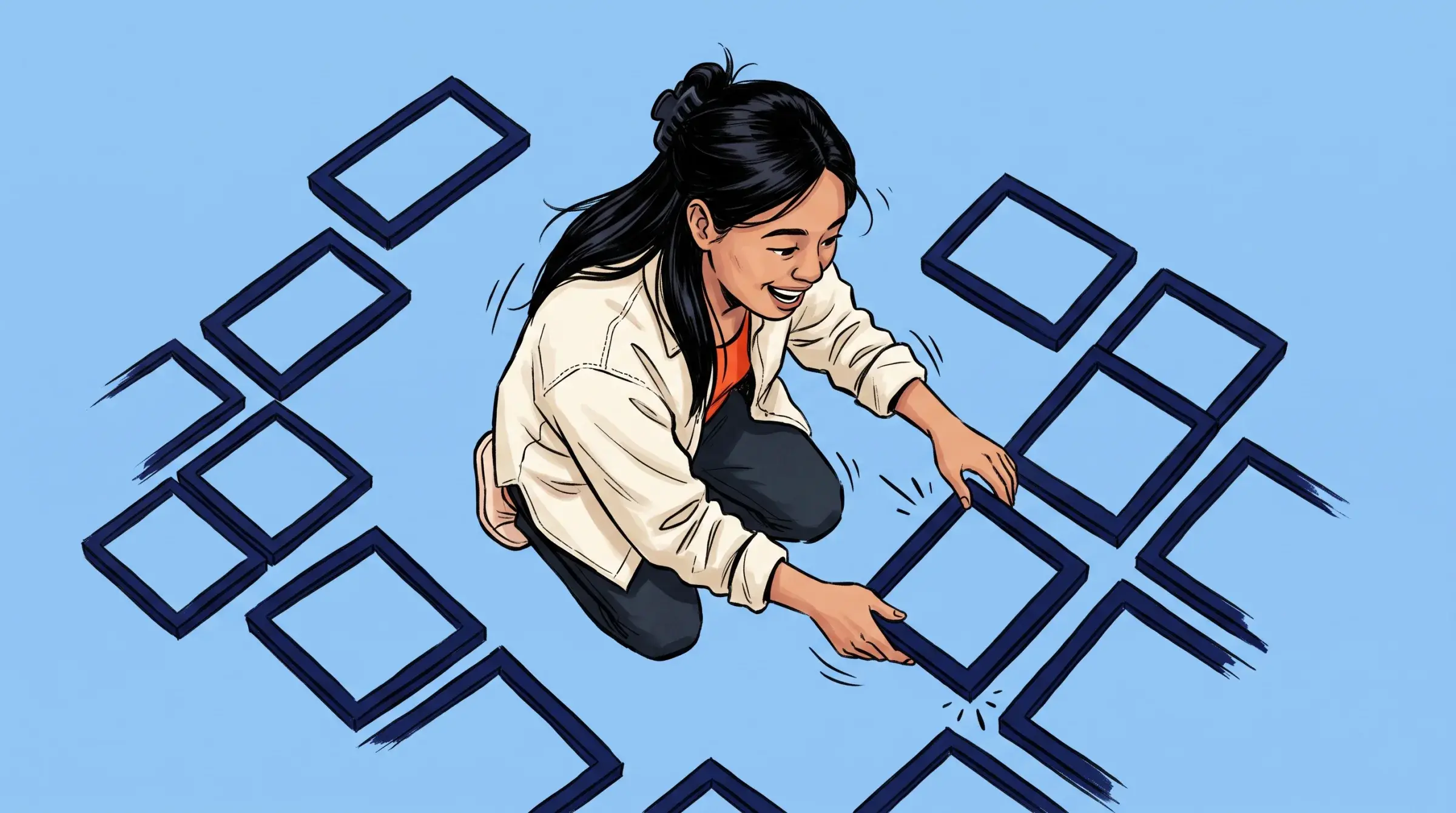
- Fixed slots, flexible content. Copy always bottom-left. Logo always top-left. The positions never move; only what fills them changes. Predictable structure is what lets variety stay on-brand.
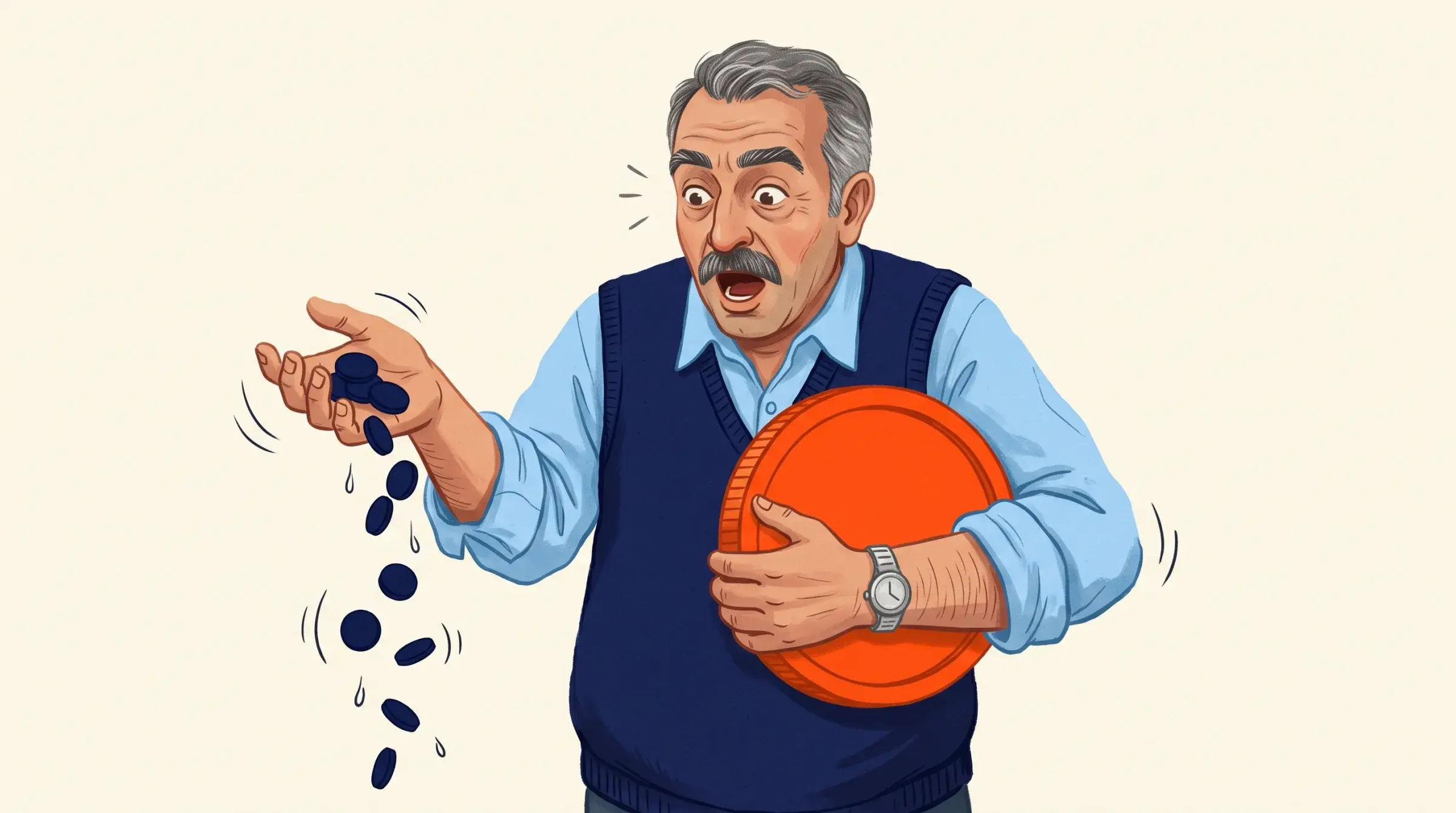
- Design for the worst-case content, not the best. The caption that's three words and the one that's three lines both have to land. If your template only looks good with perfect-length text, it's not a template. It's a one-off.
- Bound the randomness. Generated backgrounds feel alive, but only because they're generated within strict rules: brand colors only, limited layouts, controlled contrast. Randomness without boundaries is just noise.
- Contrast is non-negotiable. A human notices when text disappears into a background and fixes it. A machine won't, unless you've made it structurally impossible.
The Studio Takeaway
This is really just a design system wearing different clothes. A design system exists so a team can produce consistent work without one person approving every pixel. A template-for-automation exists so a machine can do the same. The underlying belief is identical: consistency comes from shared, enforced decisions, not from heroics on each individual piece.
So when a client asks us to "make a tool that generates their posts," what we're really being asked to do is design their constraints well enough that a machine can be trusted with their brand. That's not a lesser version of design work. In a lot of ways it's the purest version of it, because if your system is even slightly wrong, you don't get one bad artifact. You get ten thousand.