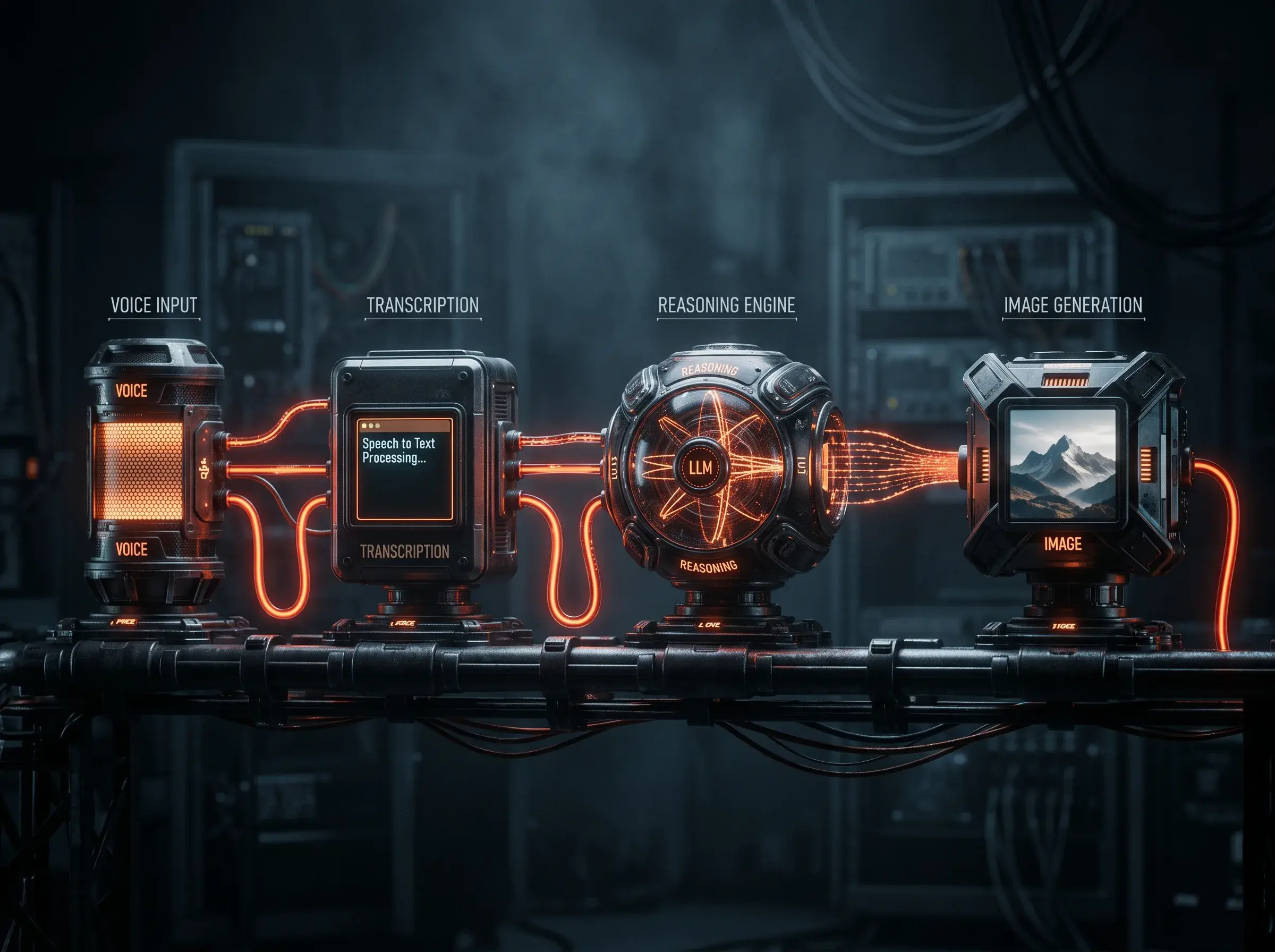
Every brand now has access to AI design tools, which means the bar for "good enough" has risen dramatically. The question isn't whether to use AI. It's how to use it in a way that makes your brand unmistakable.
The Problem With AI Design
Most AI-generated content looks the same. Same styles, same compositions, same aesthetic. When everyone uses the same prompts and tools, you get visual homogeny.
Standing out requires intentional creative direction.
Our Approach
We treat AI as a production tool, not a creative director. The creative vision comes from understanding the brand deeply: its values, its audience, its competitive landscape. AI then accelerates the execution of that vision.
1. Define Your Visual DNA First
Before touching any AI tool, establish:
- Your color system: not just colors, but how they interact
- Your typography personality: bold and loud, or quiet and refined
- Your composition rules: centered and symmetric, or asymmetric and dynamic
- Your photography style: editorial, documentary, hyperreal
2. Use AI for Variation, Not Creation
The best results come from using AI to create variations of a strong creative direction, not to generate the direction itself. Feed it references, constrain its output, and iterate within a defined visual lane.
3. Edit Ruthlessly
AI will give you 100 options. Your job is to pick the 3 that actually feel like your brand and refine them further. Most teams skip this step and publish the first "good enough" output. That's how you end up looking like everyone else.
Build a Proprietary Prompt Library
One of the most underrated strategies is developing a proprietary prompt library. Generic prompts produce generic results. That's exactly why so many AI-generated assets feel interchangeable.
We work with each client to build curated prompt sets that encode their brand's specific aesthetic: the quality of light they favor, the textures and environments that reflect their identity, even the camera angles that feel right. Over time, this prompt library becomes a strategic asset. It ensures anyone on the team can produce on-brand visuals regardless of their AI experience.
Think of it as a style guide for the AI era.
Example prompt structure we use:
[Brand] product shot, [specific lighting style], [texture/material],
[color palette reference], [composition rule], [mood/atmosphere],
shot on [camera reference for aesthetic], --no [things to avoid]
Real Example: Differentiating in a Crowded Market
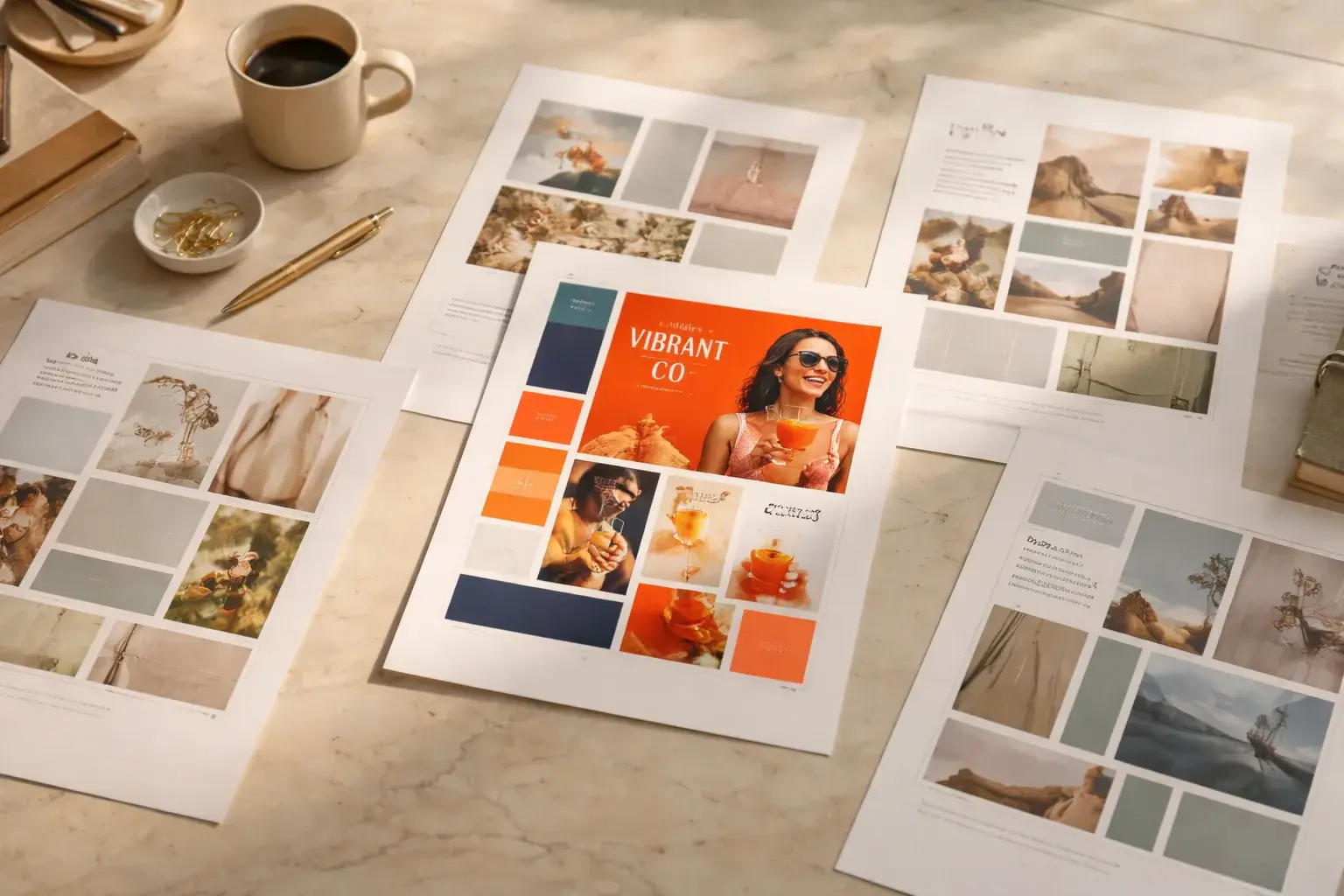
We worked with a wellness brand struggling to stand out in a saturated market where every competitor's social feed looked identical: soft pastels, minimalist layouts, the same stock-photo aesthetic.
What we did:
- Identified visual territory no competitor had claimed
- Developed a bolder color palette rooted in the brand's heritage
- Combined it with textured, editorial-style compositions generated through AI
- Introduced a signature use of natural shadow play that became instantly recognizable
The result: Within three months, social engagement increased significantly, and their audience began associating the distinctive visual style with quality and authenticity. AI handled the production volume. Creative strategy made every piece count.
The Human Element Will Always Matter
AI removes the tedious, repetitive parts of the production process so human creatives can focus on work that requires taste, judgment, and empathy. The strategist who understands why a certain visual tone resonates can't be replaced by a prompt. The designer who knows when to break a grid to create tension brings something no algorithm can replicate.
The future belongs to teams that treat AI as an amplifier for human creativity, not a substitute for it.